- 1-877-482-5522
 Store
Store
Language
简体
繁體
English

Telecom
Chinese TV
Security & Smart Home
Customer Service

'%3e%3crect%20width='19'%20height='19'%20fill='white'/%3e%3cpath%20d='M11.6406%2017.5703C9.7173%2016.9588%207.66403%2015.6461%205.54817%2013.4415C3.49597%2011.3031%202.21955%209.28207%201.56516%207.42572C1.13951%206.21901%201.03269%205.26742%201.09527%204.61509C1.09764%204.5879%201.10088%204.5608%201.10498%204.53382L1.11361%204.44931C1.12548%203.99236%201.38983%203.28513%201.67306%202.95411C1.94302%202.60414%202.23493%202.27156%202.54702%201.95839C2.79572%201.70919%203.03525%201.5009%203.25375%201.34804C3.57959%201.11983%203.78891%201.06224%203.8434%201.094C3.83801%201.09453%203.86984%201.12737%203.91515%201.18926C3.995%201.29745%204.09426%201.45461%204.21025%201.65375C4.48805%202.14355%204.74984%202.64221%204.9952%203.14895C5.50846%204.20058%206.00057%205.26236%206.47123%206.33365C6.51439%206.43053%206.49496%206.64421%206.43724%206.73033L5.24768%208.49195C5.2101%208.54982%205.18137%208.61294%205.16244%208.67925C4.97254%209.3332%205.47372%2010.3575%207.02959%2011.9393C7.978%2012.9027%208.80719%2013.5303%209.52039%2013.8839C9.99945%2014.1218%2010.362%2014.2069%2010.601%2014.2015C10.7143%2014.1966%2010.8098%2014.1649%2010.8923%2014.11L12.651%2012.9259C12.7416%2012.8651%2012.965%2012.8414%2013.0691%2012.8834L13.2892%2012.9711C14.0653%2013.2825%2014.8365%2013.6061%2015.6025%2013.9415C15.7806%2014.0201%2015.9516%2014.0965%2016.115%2014.1708C16.6653%2014.4222%2017.1174%2014.6444%2017.4459%2014.8264C17.6175%2014.9222%2017.7513%2015.0045%2017.8398%2015.0696C17.8759%2015.0966%2017.9013%2015.117%2017.9131%2015.1288C17.8876%2015.0999%2017.8686%2015.0657%2017.8576%2015.0287L17.8948%2015.1095C18.0092%2015.3129%2017.4686%2016.0713%2016.5909%2016.8431C16.4208%2016.9927%2016.2476%2017.1386%2016.0713%2017.2807C16.0133%2017.3236%2015.9646%2017.3778%2015.9279%2017.4399C15.8913%2017.502%2015.8675%2017.5708%2015.858%2017.6423C15.8485%2017.7137%2015.8535%2017.7863%2015.8727%2017.8558C15.8919%2017.9253%2015.9249%2017.9902%2015.9697%2018.0468C16.0145%2018.1033%2016.0702%2018.1503%2016.1336%2018.1849C16.1969%2018.2196%2016.2666%2018.2411%2016.3385%2018.2484C16.4103%2018.2557%2016.4829%2018.2485%2016.552%2018.2272C16.621%2018.2059%2016.685%2018.1711%2016.7403%2018.1246C16.9317%2017.9707%2017.1196%2017.8126%2017.3041%2017.6505C18.6312%2016.4825%2019.3439%2015.4841%2018.8351%2014.5815L18.8723%2014.6622C18.7197%2014.2424%2018.0561%2013.8732%2016.5634%2013.1923C16.3961%2013.1153%2016.2208%2013.0373%2016.039%2012.9571C15.1894%2012.583%2014.3327%2012.2252%2013.4694%2011.8839C13.0367%2011.7095%2012.4358%2011.7725%2012.0473%2012.0335L10.2886%2013.2176L10.5648%2013.1261C10.5794%2013.1256%2010.5508%2013.1223%2010.4893%2013.1078C10.3201%2013.0637%2010.1563%2013.0009%2010.0011%2012.9205C9.40224%2012.6234%208.66854%2012.0679%207.79998%2011.1852C6.49011%209.85421%206.14808%209.15451%206.19879%208.97905C6.18754%209.01543%206.17119%209.05004%206.15023%209.08185L7.33224%207.33153C7.59713%206.93862%207.65054%206.33419%207.45902%205.90038L7.35436%205.6641C6.97743%204.81602%206.5886%203.97325%206.188%203.13604C6.11139%202.97726%206.03694%202.82279%205.96357%202.67424C5.1797%201.08269%204.73679%200.320561%204.33973%200.139178C3.8612%20-0.142316%203.27101%200.0213058%202.63388%200.466959C2.35766%200.660183%202.07281%200.907769%201.78311%201.19787C1.44379%201.53836%201.12613%201.89968%200.832002%202.27971C0.40581%202.77704%200.0529871%203.72217%200.0351841%204.42186L0.043816%204.33736C0.0368028%204.37504%200.0287102%204.43317%200.0211574%204.51283C-0.0559888%205.31748%200.068632%206.42569%200.547694%207.7831C1.25442%209.78801%202.61284%2011.9393%204.76862%2014.1859C7.00639%2016.5175%209.21342%2017.9282%2011.3126%2018.5961C12.0155%2018.8195%2012.6753%2018.9481%2013.2844%2018.9987C13.4259%2019.0085%2013.5655%2018.9623%2013.6731%2018.8701C13.7807%2018.7779%2013.8476%2018.6472%2013.8593%2018.5062C13.871%2018.3652%2013.8266%2018.2252%2013.7356%2018.1167C13.6447%2018.0081%2013.5146%2017.9396%2013.3734%2017.926C12.7842%2017.8731%2012.2029%2017.7534%2011.6406%2017.5703Z'%20fill='%23575B66'/%3e%3c/g%3e%3cdefs%3e%3cclipPath%20id='clip0_678_602'%3e%3crect%20width='19'%20height='19'%20fill='white'/%3e%3c/clipPath%3e%3c/defs%3e%3c/svg%3e)


Telecom
Chinese TV
Security & Smart Home
Customer Service
Language
简体
繁體
English
Conquer Chinatown? Zany Cantonese Phrases to Avoid "Talking Past Each Other"

Cantonese (Yue Chinese), known as Gwóngdūng wá in Mandarin, is often associated with Hong Kong by foreigners. However, the English term "Cantonese" actually derives from "Canton" (Guangdong).
Primarily spoken in Guangdong, Hong Kong, Macau, Guangxi, and Hainan, it's colloquially called "Baak Waa" (vernacular speech) in these regions. With approximately 120 million native speakers worldwide, Cantonese has become one of the most frequently used Chinese dialects in overseas Chinese communities across North America and Australia, thanks to historical migration patterns.
A persistent myth claims: "Cantonese lost becoming China's official language by just one vote." Let's debunk this—it's pure fiction!
This rumor traces back to 1913, allegedly when Cantonese-speaking and northern delegates deadlocked over selecting an official language until Sun Yat-sen persuaded his fellow Cantonese to concede, making Mandarin the national language. The truth? At the 1913 Conference on Unifying Pronunciation, northern Mandarin had already gained prominence without any dramatic vote. That this myth endured for a century speaks volumes about Cantonese's cultural significance.

For Chinese Americans, Cantonese's prevalence in diaspora communities is no secret. Master Cantonese, and you'll navigate Chinatowns like a local. Today, we're serving up authentic Cantonese slang to impress your Cantonese-speaking friends.
"Chicken Talking to Duck" (Gāi tùhng aap góng)
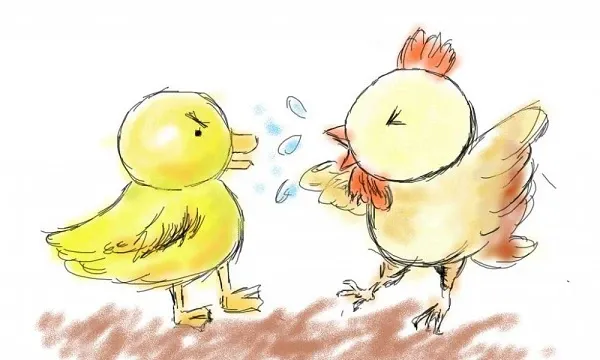
"Old house flies in foreign geese, chicken talks to duck with rolling eyes, rolling eyes." If you can sing this lyric, congratulations—you're a true Cantonese local! Why? Share the answer in comments if you know!
This phrase metaphorically describes two parties failing to communicate (like a chicken's "cluck" vs a duck's "quack"), or having fundamentally incompatible views.
Cheung Fun vs. Fan Cheung
Fan Cheung and Cheung Fun are entirely different!
Cheung Fun are those delicious rice noodle rolls ubiquitous in Cantonese dim sum (see above).
Fan Cheung literally means pig intestines (where waste is stored). Can you guess the slang meaning? It's a mildly insulting term akin to "blockhead," used among close friends. E.g.: "Where'd you run off to, you fan cheung?"
"Meh?" (咩)
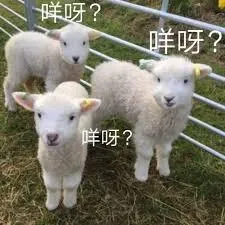
First-time listeners often get stuck on this syllable—no, Cantonese speakers aren't obsessed with sheep despite Guangzhou being the "City of Rams."
Per A Practical Cantonese Dictionary, "meh" expresses questions, hypotheses, or rhetorical queries. But Cantonese's nine tones combine with rising/falling/neutral intonations to create nuanced meanings.
You must hear "meh" spoken to grasp its intent— otherwise, we can't tell if you're complimenting or cursing!
Char Siu (叉烧)
What? Yes, food again—this is Guangdong, after all.
Every Cantonese kid has heard after bad grades or mischief: "I should've birthed char siu instead of you!"
Being called "a piece of char siu" means you look dopey. Try acting smart? Now you're "pretending to be char siu" (fake). Char siu protests: "I'm just food—leave me out of this!"
"Flip the Bowl After Eating Noodles" (Sihk wún mihn, fāan wún dái)
Flipping your bowl after finishing noodles symbolizes biting the hand that feeds you. Like ghosting your Cantonese tutor after learning these phrases—that's textbook bowl-flipping.
"Head Count Rice," "Claypot Rice," "Deep-Fried Ghost"
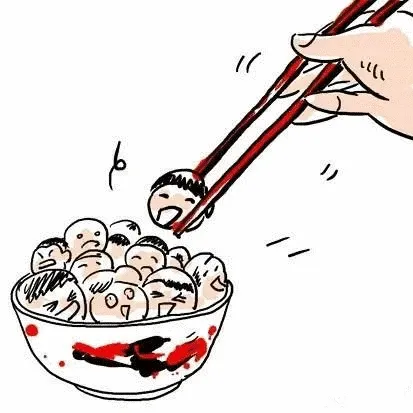
Cannibals?! Just more delicious wordplay.
Ordering "head count rice" (Yàhn tàuh faahn) simply means one rice bowl per person—the quickest way to count being heads.
"Claypot rice" (Bōu jái faahn) contains no children—"jái" refers to the small pot. It's just rice cooked in miniature clay pots.
The Chinese cruller (youtiao) becomes the ominous "deep-fried ghost" (Yàuh ja gwái) in Cantonese. This stems from Song Dynasty lore: after Qin Hui betrayed General Yue Fei, people fried dough figurines called "Yàuh ja Hui" (Hui being the villain). The Cantonese pronunciation morphed into "ghost."

iTalkBB Chinese TV offers Southern TV International, Sky Link TV, Now International, and classic Cantonese shows like 72 Tenants, City Scoop, and Cantonese Opera Highlights—your gateway to zany Cantonese culture.
- iTalkBB Global

- About Us
- Contact Us
- Legal
Follow us


Terms and Conditions

Copyright © iTalkBB.com All rights reserved.
iTalkBB and iTalk are trademarks of iTalk Global Communications, Inc., registered in the U.S. and other countries.
Customer Service
Follow us