- 1-877-482-5522
 Store
Store
Language
简体
繁體
English

Telecom
Chinese TV
Security & Smart Home
Customer Service

'%3e%3crect%20width='19'%20height='19'%20fill='white'/%3e%3cpath%20d='M11.6406%2017.5703C9.7173%2016.9588%207.66403%2015.6461%205.54817%2013.4415C3.49597%2011.3031%202.21955%209.28207%201.56516%207.42572C1.13951%206.21901%201.03269%205.26742%201.09527%204.61509C1.09764%204.5879%201.10088%204.5608%201.10498%204.53382L1.11361%204.44931C1.12548%203.99236%201.38983%203.28513%201.67306%202.95411C1.94302%202.60414%202.23493%202.27156%202.54702%201.95839C2.79572%201.70919%203.03525%201.5009%203.25375%201.34804C3.57959%201.11983%203.78891%201.06224%203.8434%201.094C3.83801%201.09453%203.86984%201.12737%203.91515%201.18926C3.995%201.29745%204.09426%201.45461%204.21025%201.65375C4.48805%202.14355%204.74984%202.64221%204.9952%203.14895C5.50846%204.20058%206.00057%205.26236%206.47123%206.33365C6.51439%206.43053%206.49496%206.64421%206.43724%206.73033L5.24768%208.49195C5.2101%208.54982%205.18137%208.61294%205.16244%208.67925C4.97254%209.3332%205.47372%2010.3575%207.02959%2011.9393C7.978%2012.9027%208.80719%2013.5303%209.52039%2013.8839C9.99945%2014.1218%2010.362%2014.2069%2010.601%2014.2015C10.7143%2014.1966%2010.8098%2014.1649%2010.8923%2014.11L12.651%2012.9259C12.7416%2012.8651%2012.965%2012.8414%2013.0691%2012.8834L13.2892%2012.9711C14.0653%2013.2825%2014.8365%2013.6061%2015.6025%2013.9415C15.7806%2014.0201%2015.9516%2014.0965%2016.115%2014.1708C16.6653%2014.4222%2017.1174%2014.6444%2017.4459%2014.8264C17.6175%2014.9222%2017.7513%2015.0045%2017.8398%2015.0696C17.8759%2015.0966%2017.9013%2015.117%2017.9131%2015.1288C17.8876%2015.0999%2017.8686%2015.0657%2017.8576%2015.0287L17.8948%2015.1095C18.0092%2015.3129%2017.4686%2016.0713%2016.5909%2016.8431C16.4208%2016.9927%2016.2476%2017.1386%2016.0713%2017.2807C16.0133%2017.3236%2015.9646%2017.3778%2015.9279%2017.4399C15.8913%2017.502%2015.8675%2017.5708%2015.858%2017.6423C15.8485%2017.7137%2015.8535%2017.7863%2015.8727%2017.8558C15.8919%2017.9253%2015.9249%2017.9902%2015.9697%2018.0468C16.0145%2018.1033%2016.0702%2018.1503%2016.1336%2018.1849C16.1969%2018.2196%2016.2666%2018.2411%2016.3385%2018.2484C16.4103%2018.2557%2016.4829%2018.2485%2016.552%2018.2272C16.621%2018.2059%2016.685%2018.1711%2016.7403%2018.1246C16.9317%2017.9707%2017.1196%2017.8126%2017.3041%2017.6505C18.6312%2016.4825%2019.3439%2015.4841%2018.8351%2014.5815L18.8723%2014.6622C18.7197%2014.2424%2018.0561%2013.8732%2016.5634%2013.1923C16.3961%2013.1153%2016.2208%2013.0373%2016.039%2012.9571C15.1894%2012.583%2014.3327%2012.2252%2013.4694%2011.8839C13.0367%2011.7095%2012.4358%2011.7725%2012.0473%2012.0335L10.2886%2013.2176L10.5648%2013.1261C10.5794%2013.1256%2010.5508%2013.1223%2010.4893%2013.1078C10.3201%2013.0637%2010.1563%2013.0009%2010.0011%2012.9205C9.40224%2012.6234%208.66854%2012.0679%207.79998%2011.1852C6.49011%209.85421%206.14808%209.15451%206.19879%208.97905C6.18754%209.01543%206.17119%209.05004%206.15023%209.08185L7.33224%207.33153C7.59713%206.93862%207.65054%206.33419%207.45902%205.90038L7.35436%205.6641C6.97743%204.81602%206.5886%203.97325%206.188%203.13604C6.11139%202.97726%206.03694%202.82279%205.96357%202.67424C5.1797%201.08269%204.73679%200.320561%204.33973%200.139178C3.8612%20-0.142316%203.27101%200.0213058%202.63388%200.466959C2.35766%200.660183%202.07281%200.907769%201.78311%201.19787C1.44379%201.53836%201.12613%201.89968%200.832002%202.27971C0.40581%202.77704%200.0529871%203.72217%200.0351841%204.42186L0.043816%204.33736C0.0368028%204.37504%200.0287102%204.43317%200.0211574%204.51283C-0.0559888%205.31748%200.068632%206.42569%200.547694%207.7831C1.25442%209.78801%202.61284%2011.9393%204.76862%2014.1859C7.00639%2016.5175%209.21342%2017.9282%2011.3126%2018.5961C12.0155%2018.8195%2012.6753%2018.9481%2013.2844%2018.9987C13.4259%2019.0085%2013.5655%2018.9623%2013.6731%2018.8701C13.7807%2018.7779%2013.8476%2018.6472%2013.8593%2018.5062C13.871%2018.3652%2013.8266%2018.2252%2013.7356%2018.1167C13.6447%2018.0081%2013.5146%2017.9396%2013.3734%2017.926C12.7842%2017.8731%2012.2029%2017.7534%2011.6406%2017.5703Z'%20fill='%23575B66'/%3e%3c/g%3e%3cdefs%3e%3cclipPath%20id='clip0_678_602'%3e%3crect%20width='19'%20height='19'%20fill='white'/%3e%3c/clipPath%3e%3c/defs%3e%3c/svg%3e)


Telecom
Chinese TV
Security & Smart Home
Customer Service
Language
简体
繁體
English
Phone, Bank Card, Security System – All Settled! The First-Week To-Do List for New International Students in the U.S.
Author: iTalkBB USA
May 15, 2026


Traveling halfway across the world to study – getting the offer is just the first hurdle. Truly entering the "newbie village" starts the moment you land: no cell service, no idea how to get a local bank account, completely unfamiliar surroundings... These real-life challenges, more than course selection, are the main quests for every international student in their first week.
To help you avoid getting stuck at the very beginning, we've put together this Golden First-Week Checklist for International Students. Follow these steps to avoid common pitfalls and reduce anxiety. Let iTalkBB be your reliable safety net!
1. Verify Your Core Identity Documents
The first thing to do after reaching your accommodation is not unpacking, but checking these "three essentials":
· Passport & I-20 Original: Keep them safe to avoid loss.
· I-94 Arrival Record: Log on to the official website to verify your electronic record – this is proof of your legal stay.
· Backup Recommendation: Store originals separately, keep photos on your phone, and sync a backup to the cloud (e.g., Google Drive).
Tips: You'll need these for everything from SSN applications and bank account opening to school registration. Any mistake can affect your legal status for the entire semester.
2. Activate Cell Service & Get a Bank Card
After settling in, make "bank account + cell service" your top priority. Without a U.S. number and a bank card (Debit/Credit Card), you won't be able to:
· Pay rent, utilities, internet, or electricity bills.
· Use money transfer apps like Zelle or Venmo.
· Order food delivery or shop online.
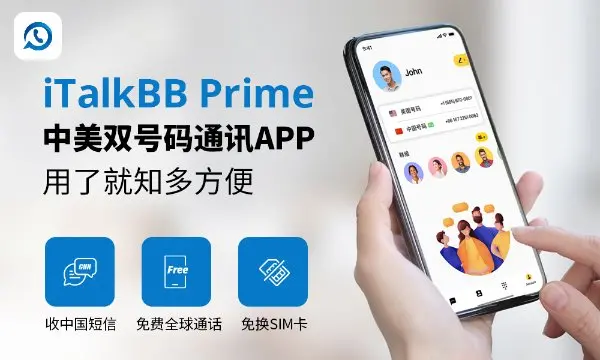
Tips: Use the iTalkBB Prime App with dual U.S.-China numbers. Without needing a physical SIM card, you can have both a U.S. and a Chinese number on one phone. It not only receives local U.S. calls but also seamlessly gets verification codes from Chinese banks and apps, perfectly solving the two-factor authentication problem.
3. Purchase Daily Necessities
There's no need to lug pots and pans across the ocean. U.S. supermarket chains like Walmart, Target, and Safeway have them at reasonable prices!
· Must-buys: Bedding (pillows/blankets), basic cookware, toiletries, power strips, etc.
Tips: There are often Student Discounts during the new student season – remember to ask before checking out.
4. Activate SEVIS: Complete School Check-in
International student check-in directly affects your SEVIS status.
· Action: Follow the International Student Office (ISO) requirements: upload your passport/I-20, register your U.S. address.
· Note: Be sure to check your school email every day.
5. Get Your Student ID
A U.S. university student ID card is essentially your "campus pass." It typically grants library access, dorm entry, and meal plan usage. Some schools even let you ride the bus with your Student ID.
Tips: Many restaurants, cinemas, and coffee shops near campus offer discounts when you show your student ID!
6. Familiarize Yourself with Transportation Routes
Public transit in most U.S. cities isn't as dense as in China. Common issues include infrequent schedules, long wait times, and reduced weekend service.
· Plan ahead: Map out your most common routes like "home <-> school" and "home <-> supermarket."
· Download navigation apps: Google Maps, Apple Maps, Waze.
Tips: Know the latest shuttle times and coverage. For late returns, try to book your school's safety escort service.
7. Confirm Your Health Insurance Effective Date
Medical care in the U.S. is expensive! A common oversight for new students: school insurance doesn't take effect immediately upon arrival. Before the semester starts, confirm when your school insurance begins, whether you need to activate it separately, and how to make an appointment with campus health services.
Tips: If you unfortunately get sick before your insurance kicks in, go to the nearest Urgent Care center first – it's much cheaper than a hospital Emergency Room (ER).
8. Ensure Security in Off-Campus Housing
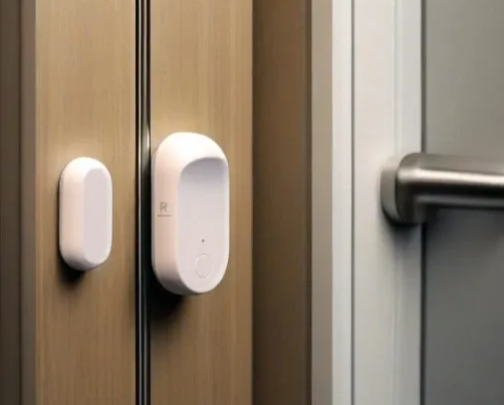
Most international students in the U.S. live off-campus. New students, especially, face unfamiliar environments, irregular schedules, and many live alone, making them potential targets. When renting, beyond location and price, check NeighborhoodScout for safety ratings. For renting students, drill-free, portable security devices are more convenient.
The iTalkBB AIjia Door Sensor is renter-friendly and ideal for solo dwellers who move frequently. In case of emergencies, the E911 feature sends your address, reducing stress from English communication. For new students just arriving in the U.S., this sense of security – "no need to panic when something happens" – is incredibly important.
The first week in the U.S. is far from easy. But it's also the starting point for "leveling up." Complete this golden checklist in order, pair it with a reliable security solution, and you'll find that true peace of mind doesn't come from "nothing ever goes wrong," but from "someone has your back even when things do go wrong." For the class of 2026 starting your first week in the U.S., steady yourself from the beginning. iTalkBB wishes you: a calm landing and a bright start ahead.
Want to learn more product details? Call iTalkBB's official Chinese customer service: 877-482-5506
 WeChat Customer Service Online Chat
- iTalkBB Global

- About Us
- Contact Us
- Legal
Follow us


Terms and Conditions

Copyright © iTalkBB.com All rights reserved.
iTalkBB and iTalk are trademarks of iTalk Global Communications, Inc., registered in the U.S. and other countries.
Customer Service
Follow us