- 1-877-482-5522
 Store
Store
Language
简体
繁體
English

Telecom
Chinese TV
Security & Smart Home
Customer Service

'%3e%3crect%20width='19'%20height='19'%20fill='white'/%3e%3cpath%20d='M11.6406%2017.5703C9.7173%2016.9588%207.66403%2015.6461%205.54817%2013.4415C3.49597%2011.3031%202.21955%209.28207%201.56516%207.42572C1.13951%206.21901%201.03269%205.26742%201.09527%204.61509C1.09764%204.5879%201.10088%204.5608%201.10498%204.53382L1.11361%204.44931C1.12548%203.99236%201.38983%203.28513%201.67306%202.95411C1.94302%202.60414%202.23493%202.27156%202.54702%201.95839C2.79572%201.70919%203.03525%201.5009%203.25375%201.34804C3.57959%201.11983%203.78891%201.06224%203.8434%201.094C3.83801%201.09453%203.86984%201.12737%203.91515%201.18926C3.995%201.29745%204.09426%201.45461%204.21025%201.65375C4.48805%202.14355%204.74984%202.64221%204.9952%203.14895C5.50846%204.20058%206.00057%205.26236%206.47123%206.33365C6.51439%206.43053%206.49496%206.64421%206.43724%206.73033L5.24768%208.49195C5.2101%208.54982%205.18137%208.61294%205.16244%208.67925C4.97254%209.3332%205.47372%2010.3575%207.02959%2011.9393C7.978%2012.9027%208.80719%2013.5303%209.52039%2013.8839C9.99945%2014.1218%2010.362%2014.2069%2010.601%2014.2015C10.7143%2014.1966%2010.8098%2014.1649%2010.8923%2014.11L12.651%2012.9259C12.7416%2012.8651%2012.965%2012.8414%2013.0691%2012.8834L13.2892%2012.9711C14.0653%2013.2825%2014.8365%2013.6061%2015.6025%2013.9415C15.7806%2014.0201%2015.9516%2014.0965%2016.115%2014.1708C16.6653%2014.4222%2017.1174%2014.6444%2017.4459%2014.8264C17.6175%2014.9222%2017.7513%2015.0045%2017.8398%2015.0696C17.8759%2015.0966%2017.9013%2015.117%2017.9131%2015.1288C17.8876%2015.0999%2017.8686%2015.0657%2017.8576%2015.0287L17.8948%2015.1095C18.0092%2015.3129%2017.4686%2016.0713%2016.5909%2016.8431C16.4208%2016.9927%2016.2476%2017.1386%2016.0713%2017.2807C16.0133%2017.3236%2015.9646%2017.3778%2015.9279%2017.4399C15.8913%2017.502%2015.8675%2017.5708%2015.858%2017.6423C15.8485%2017.7137%2015.8535%2017.7863%2015.8727%2017.8558C15.8919%2017.9253%2015.9249%2017.9902%2015.9697%2018.0468C16.0145%2018.1033%2016.0702%2018.1503%2016.1336%2018.1849C16.1969%2018.2196%2016.2666%2018.2411%2016.3385%2018.2484C16.4103%2018.2557%2016.4829%2018.2485%2016.552%2018.2272C16.621%2018.2059%2016.685%2018.1711%2016.7403%2018.1246C16.9317%2017.9707%2017.1196%2017.8126%2017.3041%2017.6505C18.6312%2016.4825%2019.3439%2015.4841%2018.8351%2014.5815L18.8723%2014.6622C18.7197%2014.2424%2018.0561%2013.8732%2016.5634%2013.1923C16.3961%2013.1153%2016.2208%2013.0373%2016.039%2012.9571C15.1894%2012.583%2014.3327%2012.2252%2013.4694%2011.8839C13.0367%2011.7095%2012.4358%2011.7725%2012.0473%2012.0335L10.2886%2013.2176L10.5648%2013.1261C10.5794%2013.1256%2010.5508%2013.1223%2010.4893%2013.1078C10.3201%2013.0637%2010.1563%2013.0009%2010.0011%2012.9205C9.40224%2012.6234%208.66854%2012.0679%207.79998%2011.1852C6.49011%209.85421%206.14808%209.15451%206.19879%208.97905C6.18754%209.01543%206.17119%209.05004%206.15023%209.08185L7.33224%207.33153C7.59713%206.93862%207.65054%206.33419%207.45902%205.90038L7.35436%205.6641C6.97743%204.81602%206.5886%203.97325%206.188%203.13604C6.11139%202.97726%206.03694%202.82279%205.96357%202.67424C5.1797%201.08269%204.73679%200.320561%204.33973%200.139178C3.8612%20-0.142316%203.27101%200.0213058%202.63388%200.466959C2.35766%200.660183%202.07281%200.907769%201.78311%201.19787C1.44379%201.53836%201.12613%201.89968%200.832002%202.27971C0.40581%202.77704%200.0529871%203.72217%200.0351841%204.42186L0.043816%204.33736C0.0368028%204.37504%200.0287102%204.43317%200.0211574%204.51283C-0.0559888%205.31748%200.068632%206.42569%200.547694%207.7831C1.25442%209.78801%202.61284%2011.9393%204.76862%2014.1859C7.00639%2016.5175%209.21342%2017.9282%2011.3126%2018.5961C12.0155%2018.8195%2012.6753%2018.9481%2013.2844%2018.9987C13.4259%2019.0085%2013.5655%2018.9623%2013.6731%2018.8701C13.7807%2018.7779%2013.8476%2018.6472%2013.8593%2018.5062C13.871%2018.3652%2013.8266%2018.2252%2013.7356%2018.1167C13.6447%2018.0081%2013.5146%2017.9396%2013.3734%2017.926C12.7842%2017.8731%2012.2029%2017.7534%2011.6406%2017.5703Z'%20fill='%23575B66'/%3e%3c/g%3e%3cdefs%3e%3cclipPath%20id='clip0_678_602'%3e%3crect%20width='19'%20height='19'%20fill='white'/%3e%3c/clipPath%3e%3c/defs%3e%3c/svg%3e)


Telecom
Chinese TV
Security & Smart Home
Customer Service
Language
简体
繁體
English
"Tea Time at 3 PM" Uncle Goes Viral: How Much Do You Know About China's "Involution" Culture?
"Hey! It's already 3 o'clock! Stop working, time for tea! It's 3 o'clock, tea first! Working so much is useless—your boss won't appreciate it! What are you still doing at 3 o'clock?"
Have you heard of the "Tea Time at 3 PM" meme?

A short video recently went viral online, featuring a rugged-looking, dark-skinned uncle wearing sunglasses and speaking fluent Cantonese. At first glance, one might mistake it for a threatening call from a gangster.
But as soon as the uncle speaks, viewers realize it's anything but: "Hey! It's already 3 o'clock!" The opening "Hey" is thunderous, and that's just the beginning.
Imagine it's 3 PM, the most exhausting part of the workday. Seeing this video, wouldn't you also feel like flying out of the office for a nice cup of tea?
Besides "Tea Time at 3 PM," the uncle also released a sister video: "Clock Out at 7 PM."
"It's 7 o'clock, time to clock out! Working so much—where does all the money go? Clock out! Pour yourself some tea first! No need to overwork—you can't take money with you when you die!"
The uncle's four-word mantras strike a chord with workers, succinctly capturing the current workplace reality and the lives of employees in just a few short videos.
Netizens have flooded the comments with love for the uncle:
• "Sure, he swears (uncivilized), drinks milk tea (unhealthy), and loves skipping work (unmotivated), but he's a good uncle at heart."
• "His videos remind you that somewhere in the world, someone cares about you."
The History of "3:15 PM Tea Time"
Why does the uncle's "Tea Time at 3 PM" resonate so deeply with workers? In fact, "3 PM tea time" has long been part of Cantonese culture.
Why is afternoon tea set at 3:15 PM, not 3:00 or 3:30?
This tradition originated with carpenters, painters, and construction workers in the 1970s during Hong Kong's economic boom. Working outdoors in the sweltering heat, they needed an afternoon energy boost. Since their post-lunch shift typically ran from 1 PM to 6 PM, they took a half-hour break at 3:15 PM to visit street stalls for milk tea and pineapple buns.
Later, blue-collar factory workers and white-collar office workers also adopted 3:15 PM as tea time to recharge. This "afternoon tea" habit spread throughout Cantonese-speaking regions, giving birth to the "3:15" tradition.
The "3:15" tradition persists today, though tea restaurants now typically extend afternoon tea hours from 2:30 PM to 6 PM to accommodate work schedules. The menu has also expanded to include wings, drumsticks, French toast, pineapple buns, egg tarts, sandwiches, and rice noodles—but the one constant remains the strong, tea-rich milk tea.
The Uncle's Viral Fame Exposes China's "Involution" Phenomenon
"Involution" (内卷), a buzzword in 2020, was selected as one of the "Top 10 Popular Phrases of 2020" by Yaowen Jiaozi on December 4, 2020.
Originally, "involution" described societies stagnating after reaching a certain developmental stage without transitioning to a higher model. When resources can't meet everyone's needs, people compete intensely for limited resources.
Online, young people now use "involution" to describe unhealthy internal competition. For example, peers compare workloads to vie for limited resources, resulting in diminishing returns on effort—essentially, an "inflation" of individual effort.
Currently, the tech industry's "996" work culture (9 AM–9 PM, 6 days/week) epitomizes involution. Imagine a new employee who willingly works overtime, completing 10 hours of work in 8 hours, earning praise from management. Colleagues see this and think: "If he's doing more by working 10 hours, my 8-hour output looks inadequate—I must also work overtime." Gradually, 8-hour workdays become the exception, while relentless overtime becomes the norm.
The uncle went viral because he voiced what every office worker feels—the desire to "drink tea" and relax. His "Hey!" isn't rude or crude; it's a cry for work-life balance.
iTalkBB Chinese TV offers dozens of live channels with global news updates, keeping you informed in the digital age.
Work Matters, But Health Matters More
Many have experienced this: only after a serious illness—their own or a loved one's—do they realize the importance of health. Don't wait until it's gone to appreciate it. Jobs can be replaced, money can be re-earned, but without health, you lose the foundation to start over.
This isn't to discourage hard work but to warn against overwork. Health and productivity aren't opposites. Regardless of your job, make time daily to unwind—whether through exercise or watching iTalkBB Chinese TV with family. Ultimately, health, safety, and loved ones are what truly matter.
AIjia Home Security Cameras guard your loved ones and protect your peace of mind.
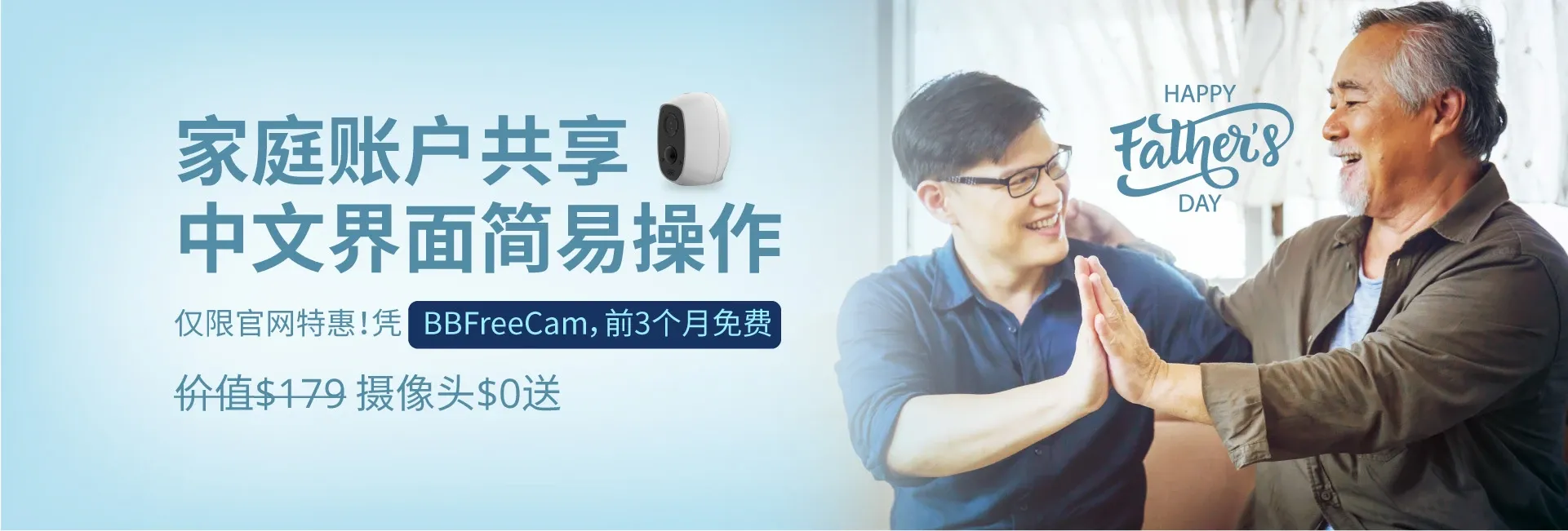
AIjia Smart Security Cameras feature human detection, sending alerts to the paired AIjia app when someone approaches. If suspicious activity is detected, users can trigger a loud siren to scare off intruders. The one-touch emergency call with location sharing speeds up police response. And should the worst happen, cloud video storage provides crucial evidence for police and insurance claims.
- iTalkBB Global

- About Us
- Contact Us
- Legal
Follow us


Terms and Conditions

Copyright © iTalkBB.com All rights reserved.
iTalkBB and iTalk are trademarks of iTalk Global Communications, Inc., registered in the U.S. and other countries.
Customer Service
1-877-482-5522
Follow us